



Revolution and tradition
Fusion and the electric revolution
The rise of fusion sparked a pivotal movement in the 1970s. Centering around Miles Davis, Herbie Hancock, and Chick Corea, a new form of jazz emerged that incorporated electric instruments and genres such as rock and funk.
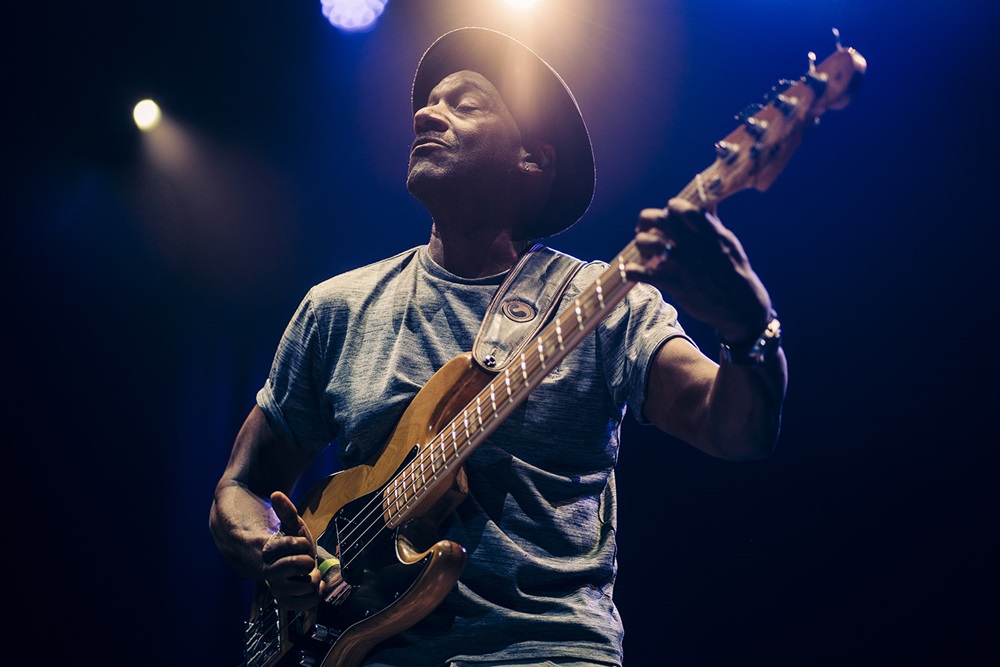
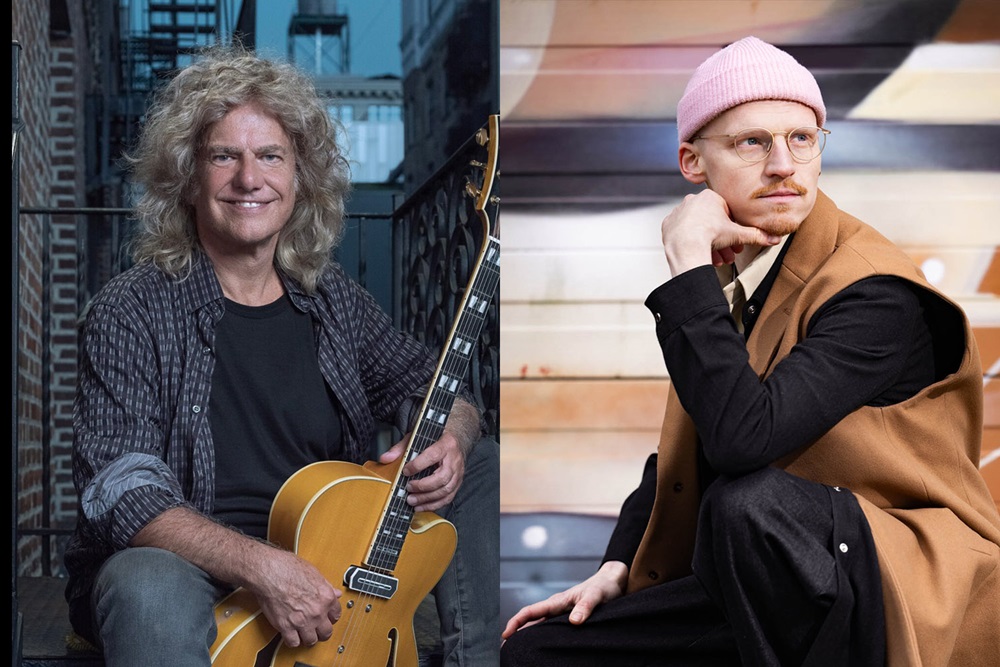
This trend is explicitly reflected in the festival program, notably through Marcus Miller, who – as a bassist with Davis, among others – played a key role during that period and continues this legacy in the project We Want Miles! with a lineup that draws inspiration from that soundscape. Pat Metheny also represents this movement, in which lyricism, technology, and improvisation converge. He will appear twice at the festival: with his own group Side-Eye III+ and in a project in which he reimagines his 1976 album Bright Size Life in exciting arrangements by the Dutch talent Tijn Wybenga and his Brainteaser Orchestra. Snarky Puppy, from a later generation, demonstrates how jazz can break free of traditional structures, effortlessly shifting between virtuosity, production, and audience reach.
Tradition as a reinvigorated choice
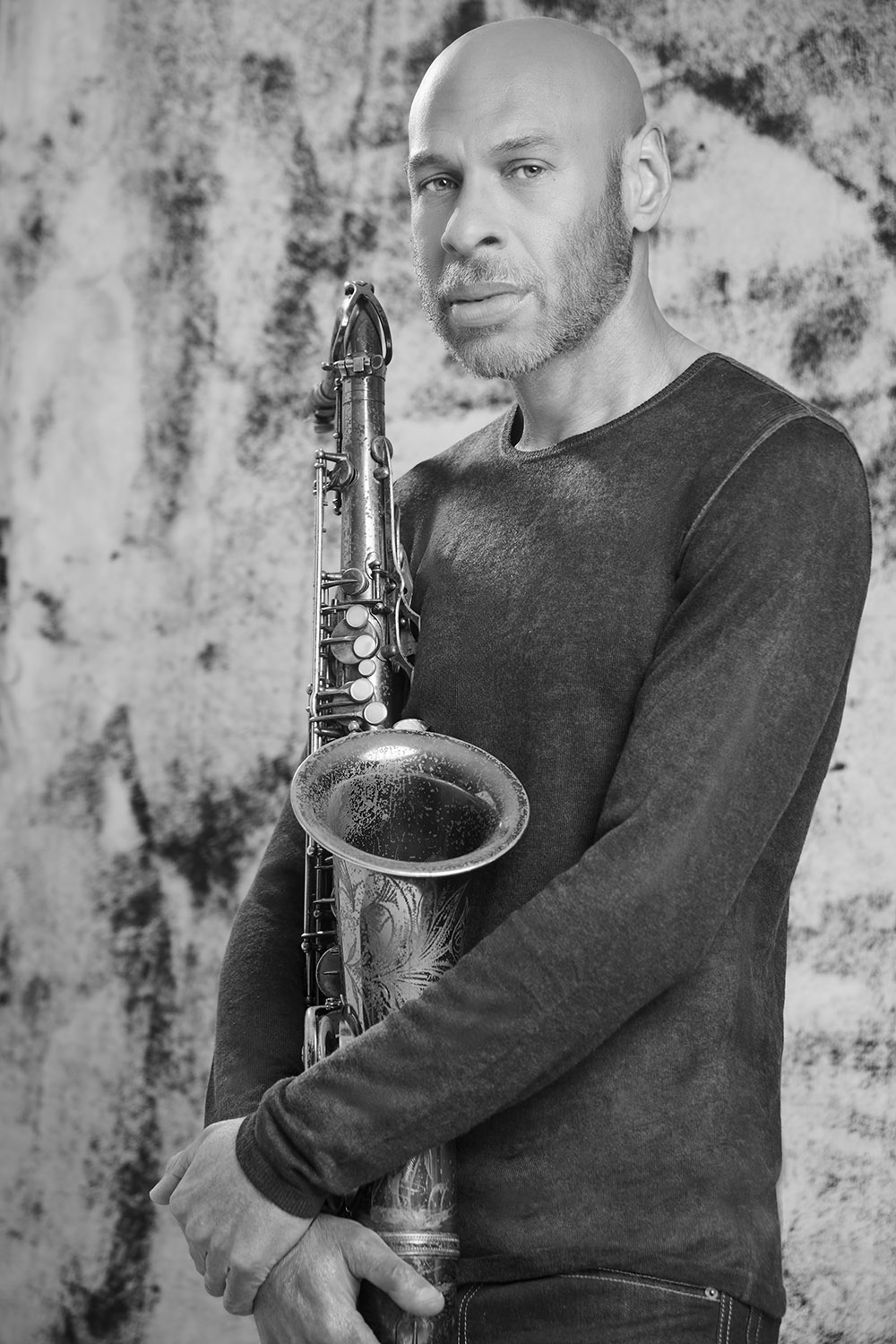
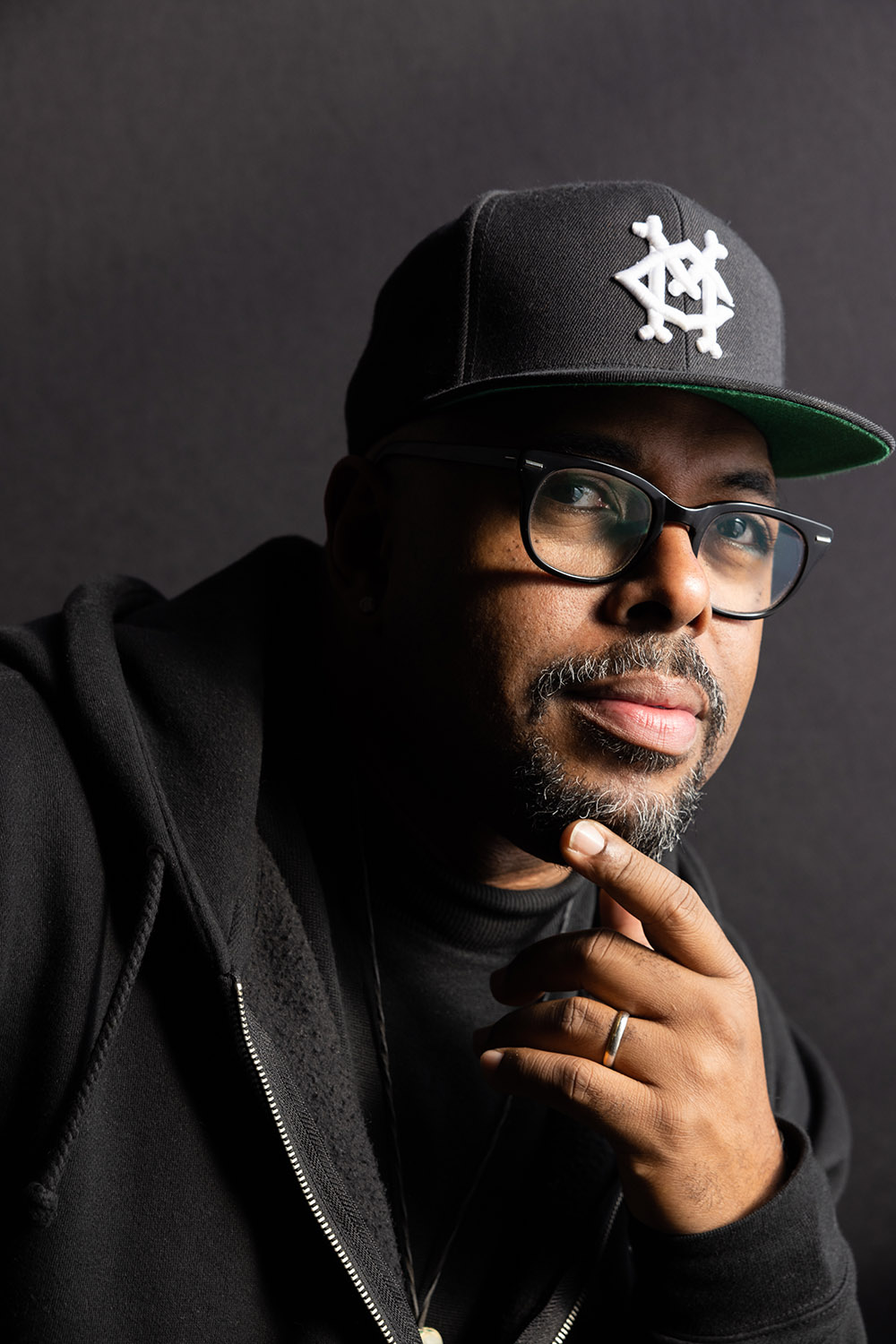
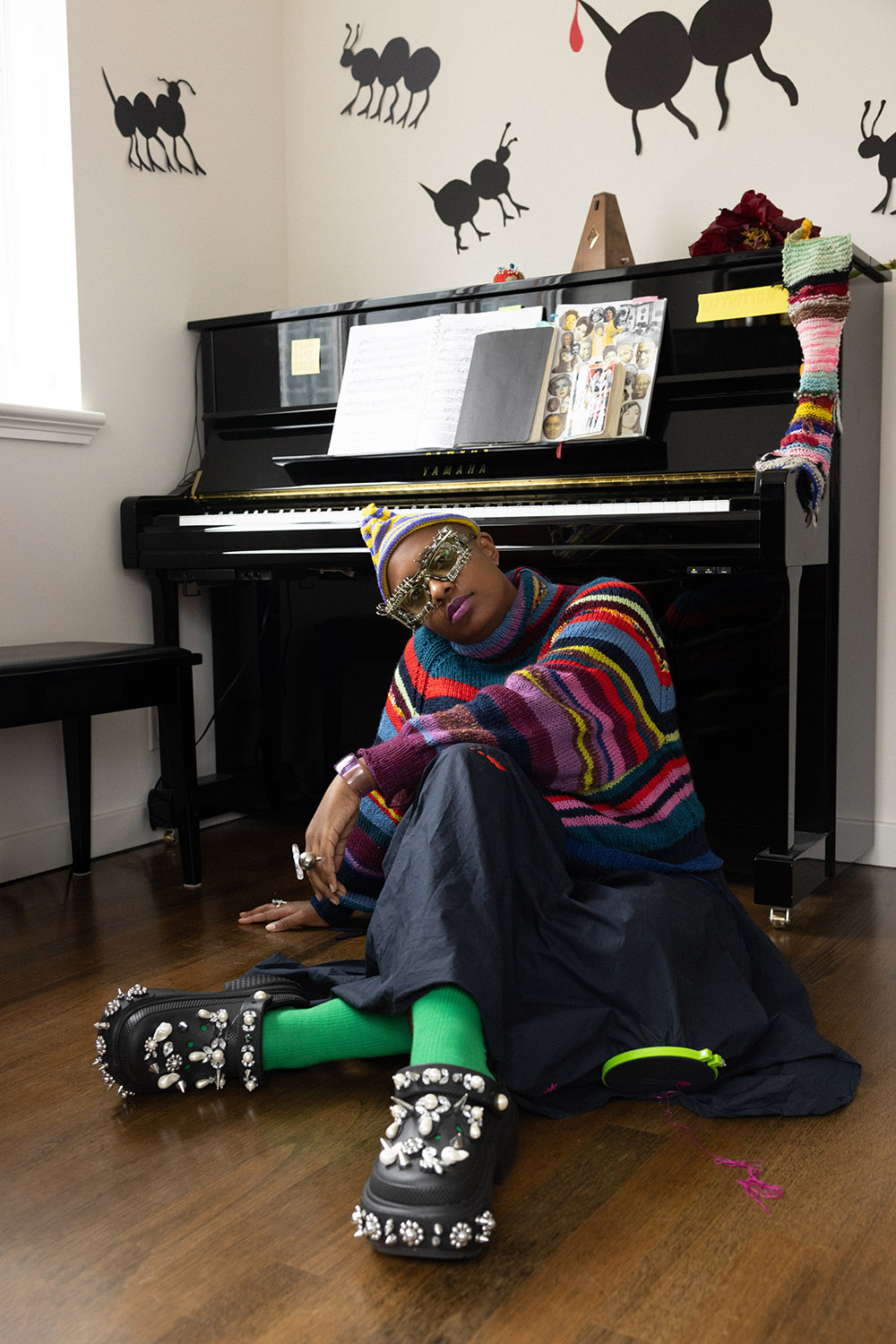
In contrast to the innovations within jazz, the 1980s saw a renewed focus on tradition. The so-called Young Lions, including Wynton Marsalis, brought acoustic jazz back to the forefront of the New York scene, where a grand venue dedicated to jazz was even established: Jazz at Lincoln Center. Artists like Joshua Redman and Christian McBride demonstrate that this approach does not mean stagnation, but rather continuous development. Cécile McLorin Salvant and Sullivan Fortner are part of the current generation carrying on this tradition, with a deep understanding of repertoire and history. Fred Hersch is an important mentor to a new generation of pianists and also embodies this ongoing tradition of passing on knowledge while still innovating.


