Integrating styles
Starting in the 1980s, a crucial development emerged within jazz: the integration of hip-hop, groove, and urban culture.
The influence of hip-hop and soul
The M-Base Collective, led by Steve Coleman, introduced a new rhythmic and conceptual approach that had a profound impact on later generations. Cassandra Wilson also exerted a major influence through this movement.
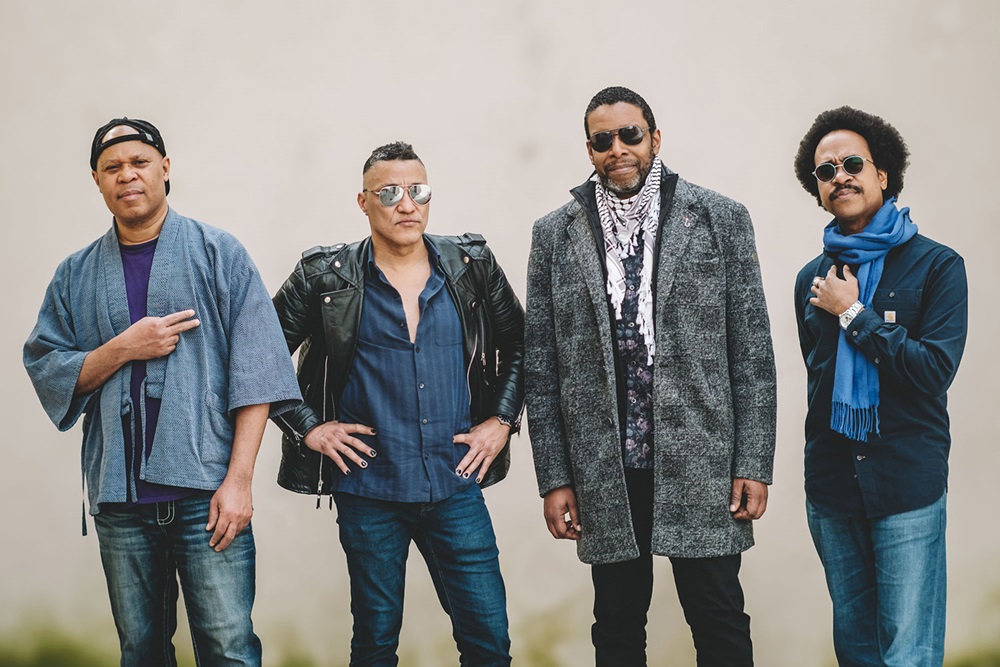
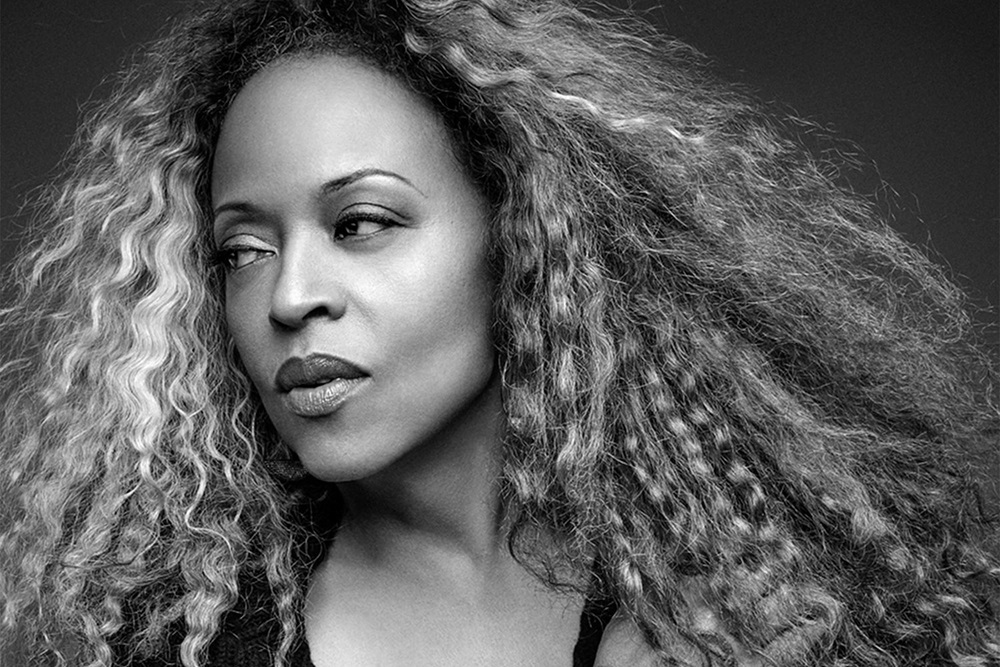
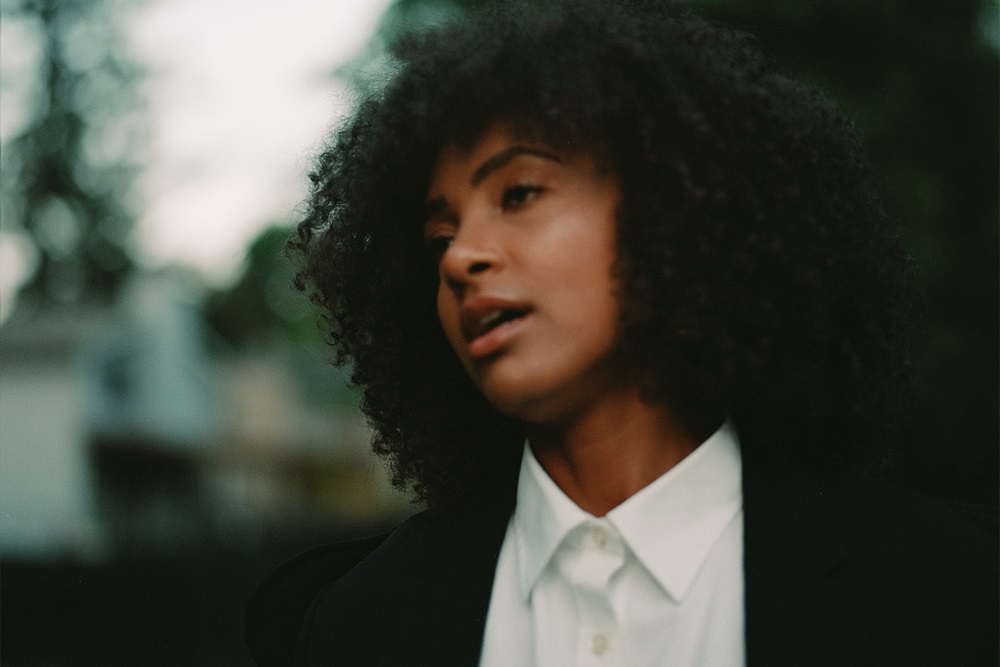
In the 1990s and beyond, this trend expanded further through neo-soul and related music scenes, taking on a new form in the work of Roy Hargrove and his RH Factor. The bridge between jazz, soul, and hip-hop was further solidified by Robert Glasper, whose work permanently blurred the boundaries between jazz and popular music. That influence is widely felt today, notably in the work of esperanza spalding, who effortlessly combines genres to create a musical language that is entirely her own.
Local scenes, global impact
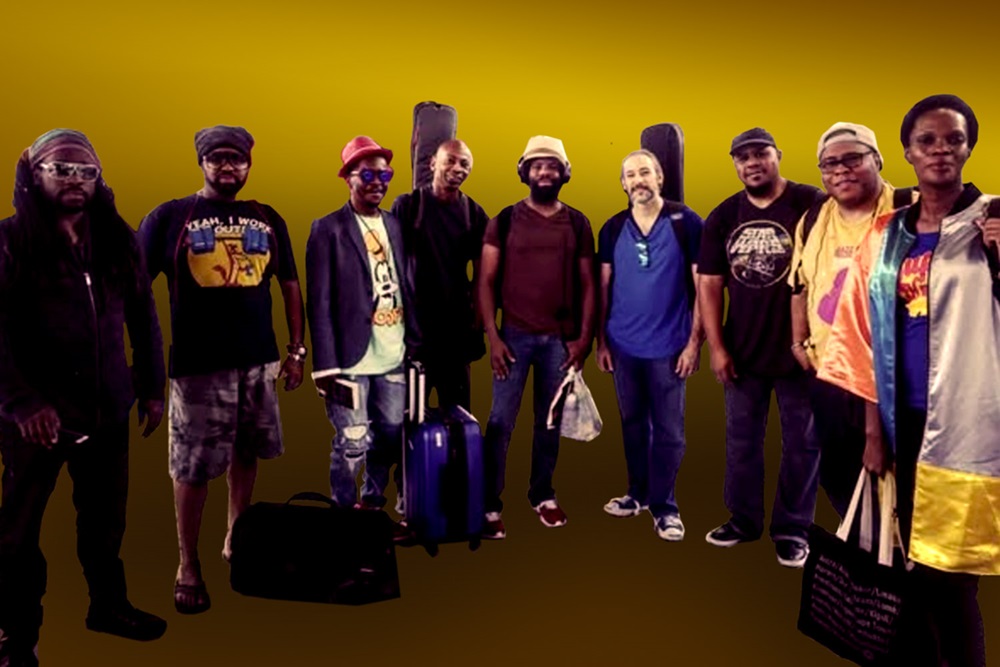
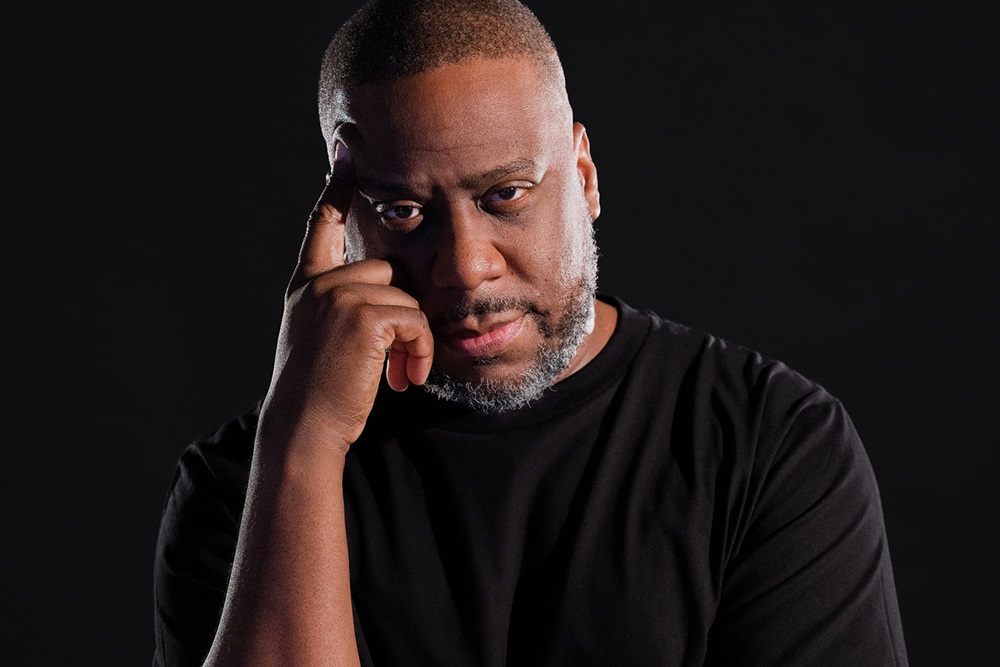
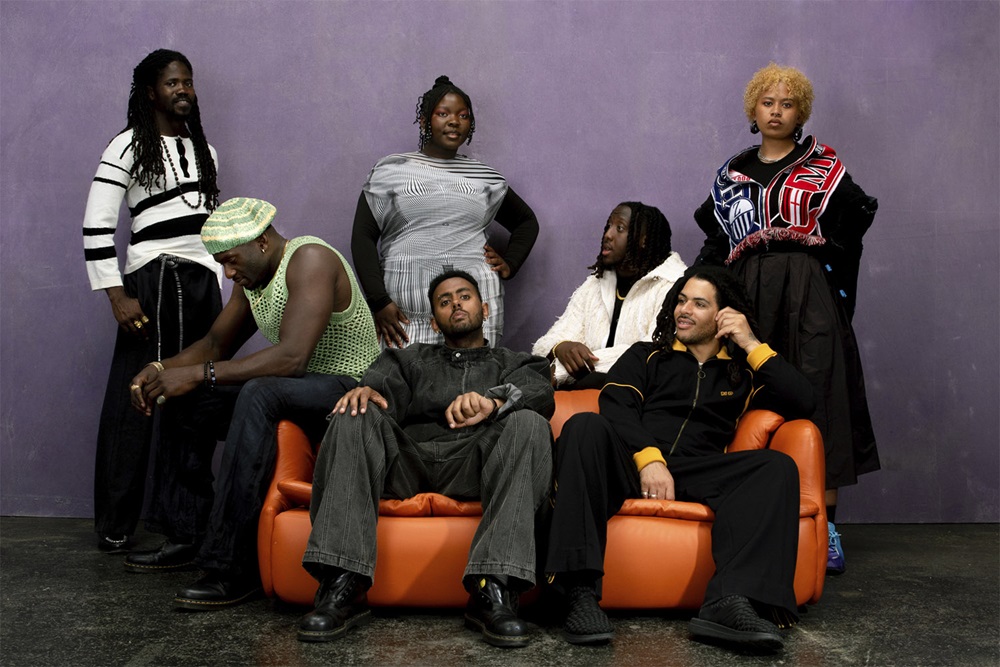
Since the 1990s and 2000s, jazz has increasingly become a global network of scenes. In the United Kingdom, a new, energetic movement has emerged where jazz, Afrobeat, and club culture converge. Artists such as Shabaka, Kokoroko, Joe Armon-Jones, and Theon Cross give that scene a face and connect jazz with a young, urban audience, often drawing on musical influences from the Caribbean.
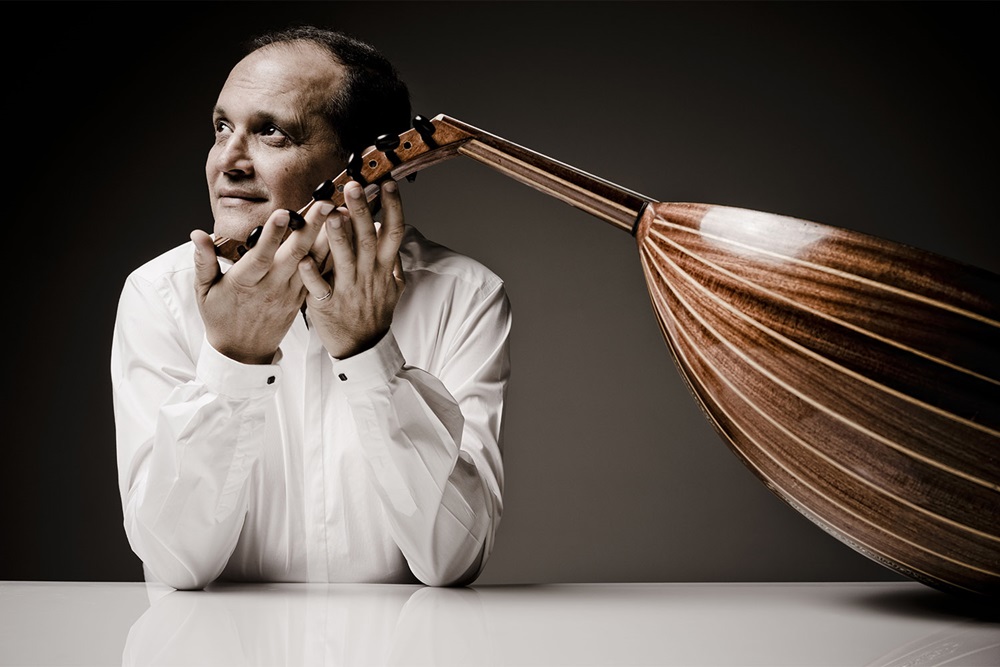
At the same time, individual voices continue to enrich the idiom. Anouar Brahem brings together Arabic musical traditions and jazz. In Scandinavia, a distinct, more atmospheric sound is also developing, as heard in the music of Rymden and Nils Petter Molvær, where electronics and improvisation converge.
The present: a convergence of directions
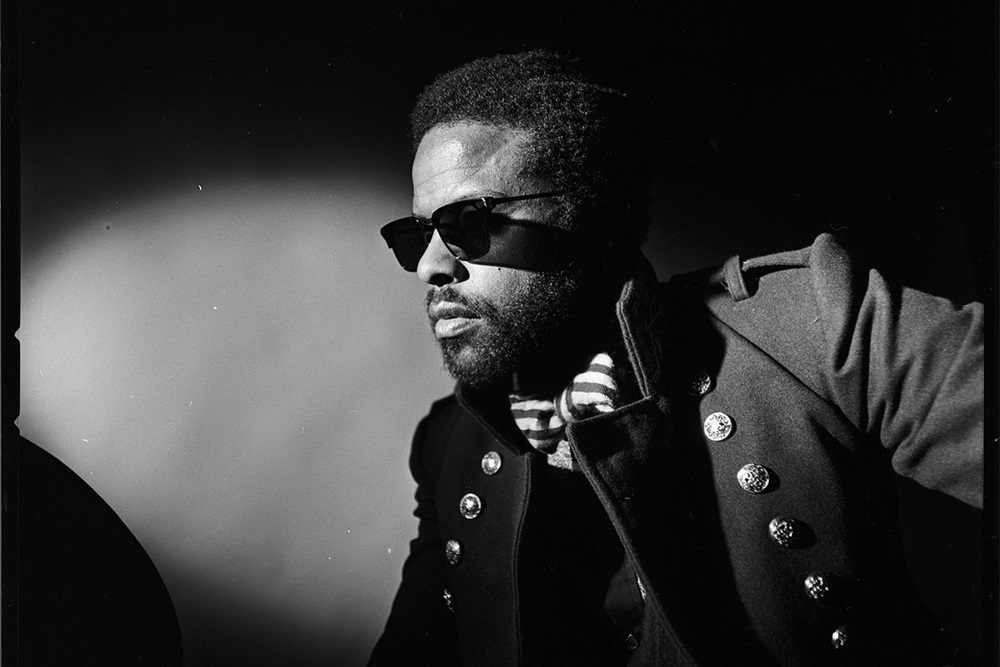
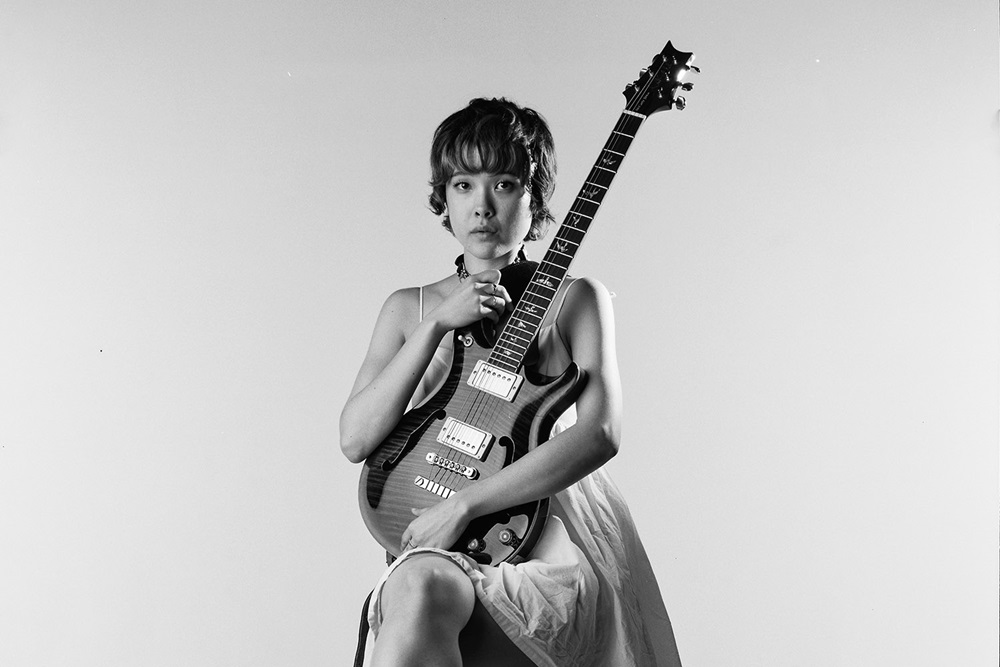
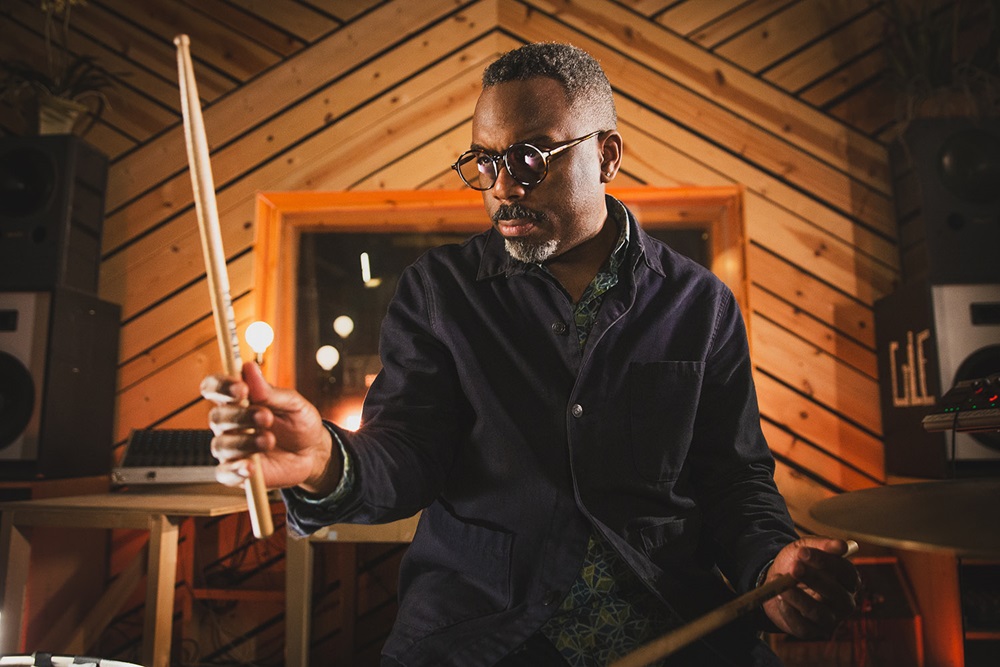
What North Sea Jazz 2026 ultimately shows is where all these directions converge. Jazz today no longer consists of distinct movements, but is instead a fluid landscape in which tradition, experimentation, and popular culture constantly blend. Artists like Adrian Younge, Mei Semones, SML, and Nate Smith move freely across this landscape. Their music draws from multiple sources simultaneously – from jazz harmony to indie, from groove to composition – and demonstrates just how natural that mashup has become. After fifty years, North Sea Jazz is thus not only a stage for jazz history, but a place where that history is constantly being rewritten.